News
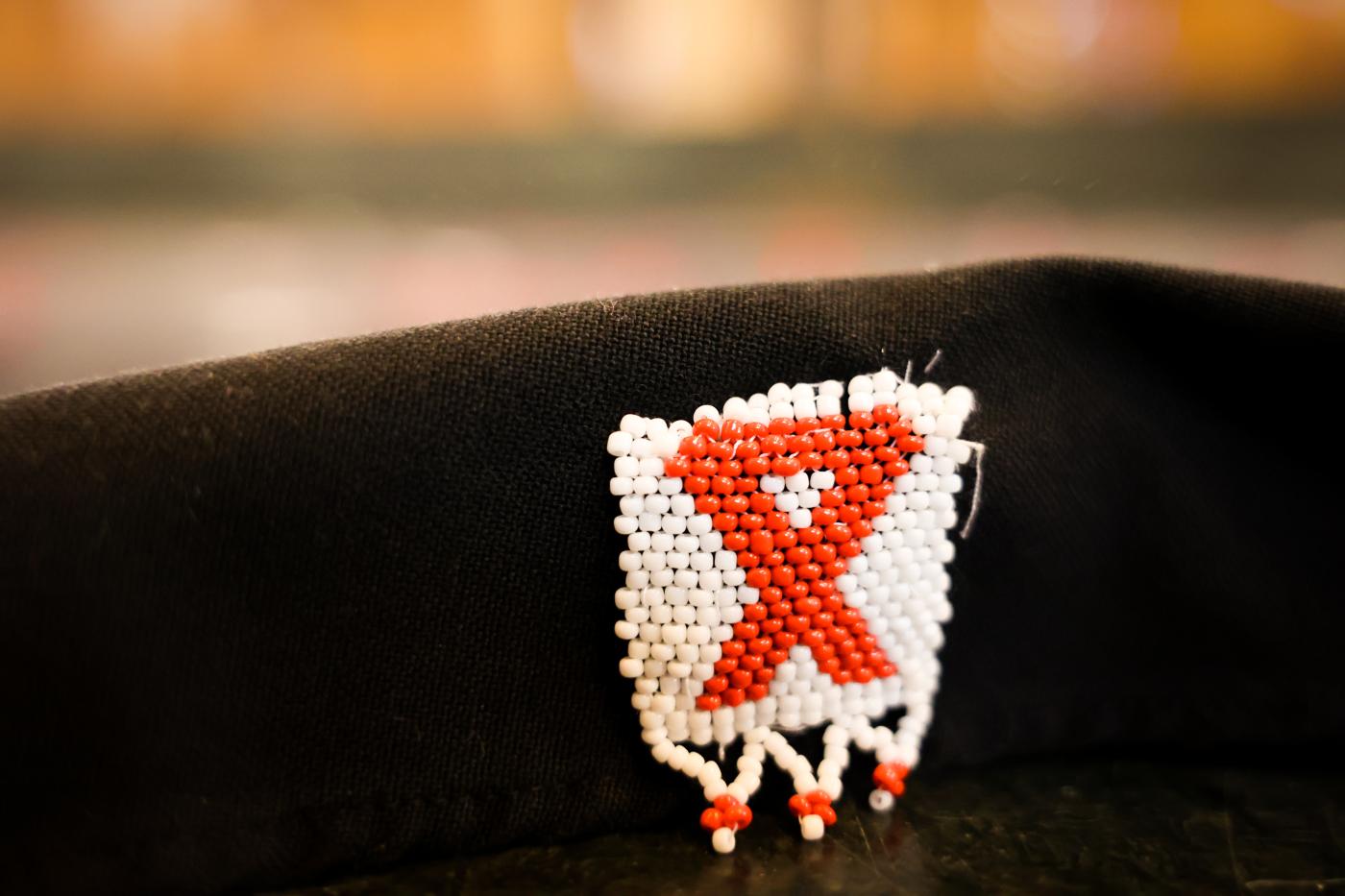
The theme of the dialogue is “Faith, Science, Justice, and Sustainable Action for the HIV Response.”
Gracia Violeta Ross, WCC programme executive for HIV, Reproductive Health, and Pandemics, noted that we are living through a paradox in the HIV response.
“On one hand, we have extraordinary scientific advances that give us the tools to prevent HIV transmission and allow people living with HIV, like me, to live healthy and full lives,” she said. “On the other hand, we are witnessing drastic funding cuts and, in some places, the gradual erasure of HIV from health and development agendas.”
She noted that religious leaders can stand alongside communities living with HIV to help reposition HIV as an urgent issue at country level, while advocating for equitable access to the science and the resources needed to sustain the response. “This is what we mean by sustaining the HIV response with faith and science,” said Ross. “We chose the Philippines for this dialogue because the urgency is very real.”
Dr Manoj Kurian, director, of the WCC Commission of the Churches on Health and Healing, said that churches and faith communities have a responsibility to help ensure that no one is left behind in the HIV response. “Over decades of responding to HIV, we have learned that our calling to uphold human dignity must also lead us to engage with science, inequality, and the financing of health,” he said. “Through this multi-stakeholder dialogue, we want religious leaders, communities, government, and health partners to listen to one another and identify concrete ways of working together, so that advances in HIV prevention and treatment are equitably accessible and the response is sustainable for the future.”